Members of the BDA Benevolent Fund have overwhelmingly supported plans for the Charity to become a Charitable Incorporated Organisation (CIO).
The proposal was approved at the charity’s 143rd Annual General Meeting, held on 2 September 2026, with 97% of members voting in favour.
Becoming a CIO will give the charity its own legal identity and provide greater protection for its trustees. Its charitable purpose, services and relationship with the British Dental Association will remain unchanged.
The decision marks an important step in the charity’s development and will help ensure that its governance arrangements remain appropriate for its future needs.
New trustees elected

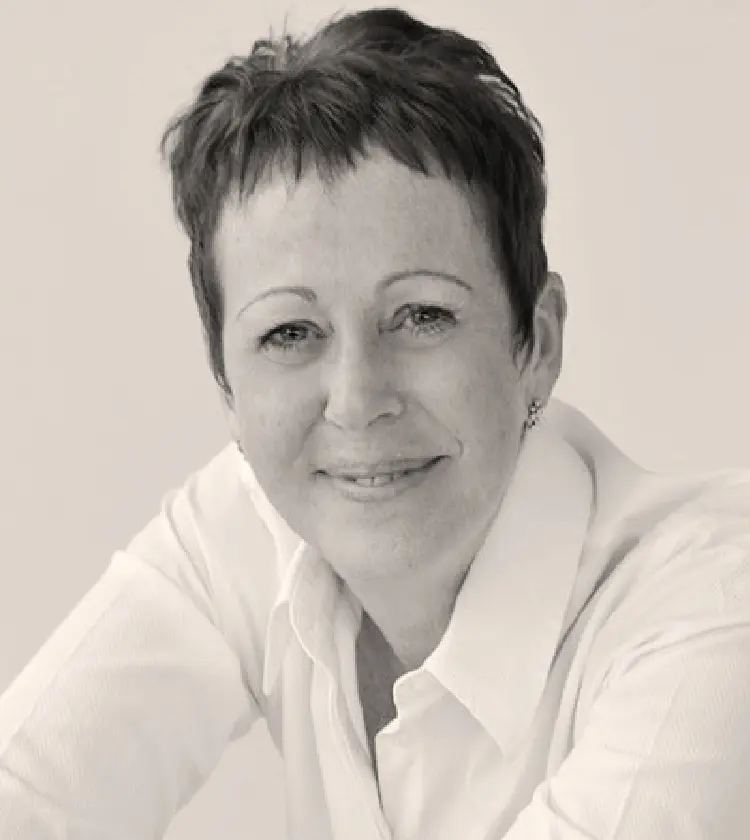
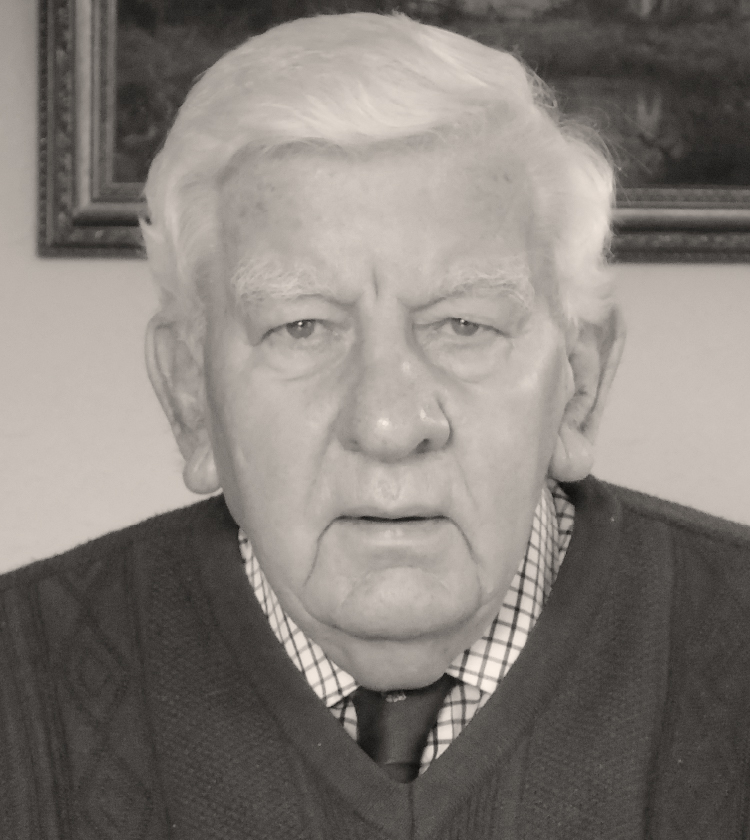
Members also elected Dr Isobel Greenstreet and Dr Maria Kwiatkowski to join the Board of Trustees.
Existing trustees Dr Peter Crooks, Dr Molly Deykin and Dr Alexander Gormley were re-elected for a further term.
The Board will oversee the charity’s transition to its new structure while continuing to ensure that dental students, dentists and their dependants can access support when experiencing financial hardship.
Reviewing a record year of support
As part of the AGM, trustees presented the charity’s Annual Report and Accounts for 2025. The report showed that 2025 was the BDA Benevolent Fund’s busiest year on record. The charity received 221 applications for assistance, compared with 200 in 2024, and welcomed 131 new applicants.
Grants totalling £270,163 were awarded during the year, an increase of 49% compared with 2024.
The grants helped dental students, dentists and their dependants to manage financial difficulties, retraining costs, health challenges and unexpected changes in their circumstances.
More than half of applicants received financial assistance. Beneficiaries could also access confidential counselling and a 24-hour wellbeing helpline, budgeting resources, debt advice and specialist signposting.
The report identified an increase in applications from refugee and asylum-seeking dentists working towards entering or returning to the profession in the UK. Retraining was the most frequently recorded reason for applying. Applicants ranged in age from 19 to 60, with an average age of 31.
Increasing awareness and reach
Members heard that awareness of the charity continued to grow during 2025:
- Website visits increased by 38%
- Social media audiences grew by 19%
- Around 137,000 emails were sent, sharing information about support and resources
- Seven new beneficiary stories were published
This growing reach is helping more people across the dental community learn about the support available and where to turn when they experience hardship.
Priorities for the future
Following a review of its five-year strategy, the charity has identified several priorities for the years ahead:
- Raising awareness of the support available across the dental profession
- Making services easier to access
- Reaching underserved and underrepresented groups
- Expanding partnerships and the Ambassador Programme
- Strengthening wellbeing and financial capability support
- Diversifying income to support the charity’s long-term resilience
Treasurer Dr Richard Hems highlighted the continued generosity of supporters, including Local Dental Committees, BDA branches, individual donors and people who leave gifts in their Wills. Despite increasing demand, the charity remains in a strong financial position and is able to continue supporting members of the dental profession facing hardship.
You can make a difference
The BDA Benevolent Fund can only continue its vital work with the support of the dental community. Whether you donate, become an Ambassador or help raise awareness, your support can make a meaningful difference.
Read stories from people we have supported
You can also support future generations of dental students, dentists and their dependants by remembering the BDA Benevolent Fund in your Will.